
Transforming water challenges into sustainable solutions.
PurEau-Experts supports companies, municipalities and organizations in dealing with emerging contaminants — PFAS, microplastics, drug residues — with internationally recognized scientific expertise.

CONTEXT
A situation that demands concrete solutions
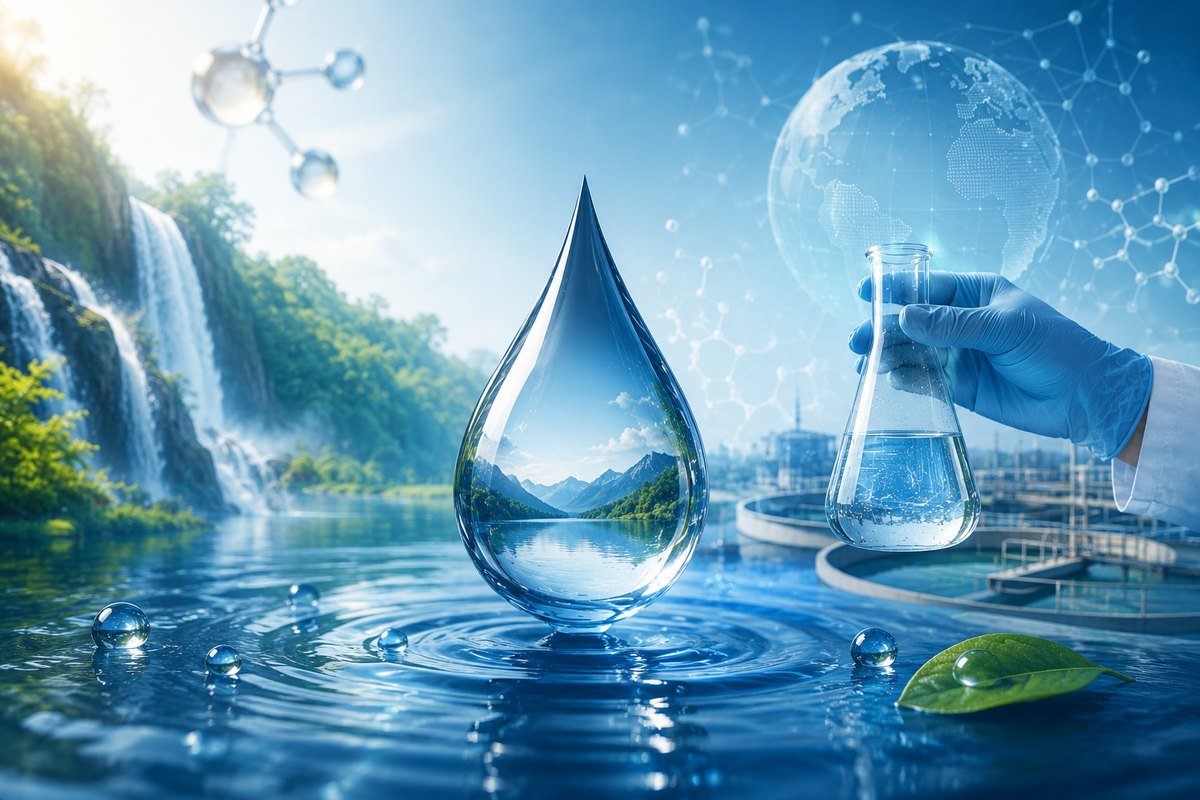
Droughts, groundwater and river pollution, emerging contaminants — PFAS, microplastics, pharmaceutical residues. The pressure on water resources is unprecedented, and most of these pollutants escape conventional treatment systems .
PurEau-Experts helps businesses, municipalities and organizations identify sources of pollution, better treat their wastewater and reuse water safely.
WE SUPPORT
- 01Industrial companies
- 02Municipalities & Communities
- 03Governments & international organizations
- 04ESG Investors & Funds
- 05Academic partners
GC-TEATE
What we do
A hybrid approach, combining strategic consulting and tailored technical solutions. Here are four examples from the consulting group's nine areas of expertise.
Analysis & diagnosis
Identification of pollution sources and characterization of effluents.
Regulatory support
Compliance with effluent discharge and sanitation standards.
Integrated technological solutions
Electro-technologies, membranes, advanced oxidative processes.
Infrastructure modernization
Upgrading water treatment plants to address emerging contaminants.
SCIENTIFIC DIRECTION
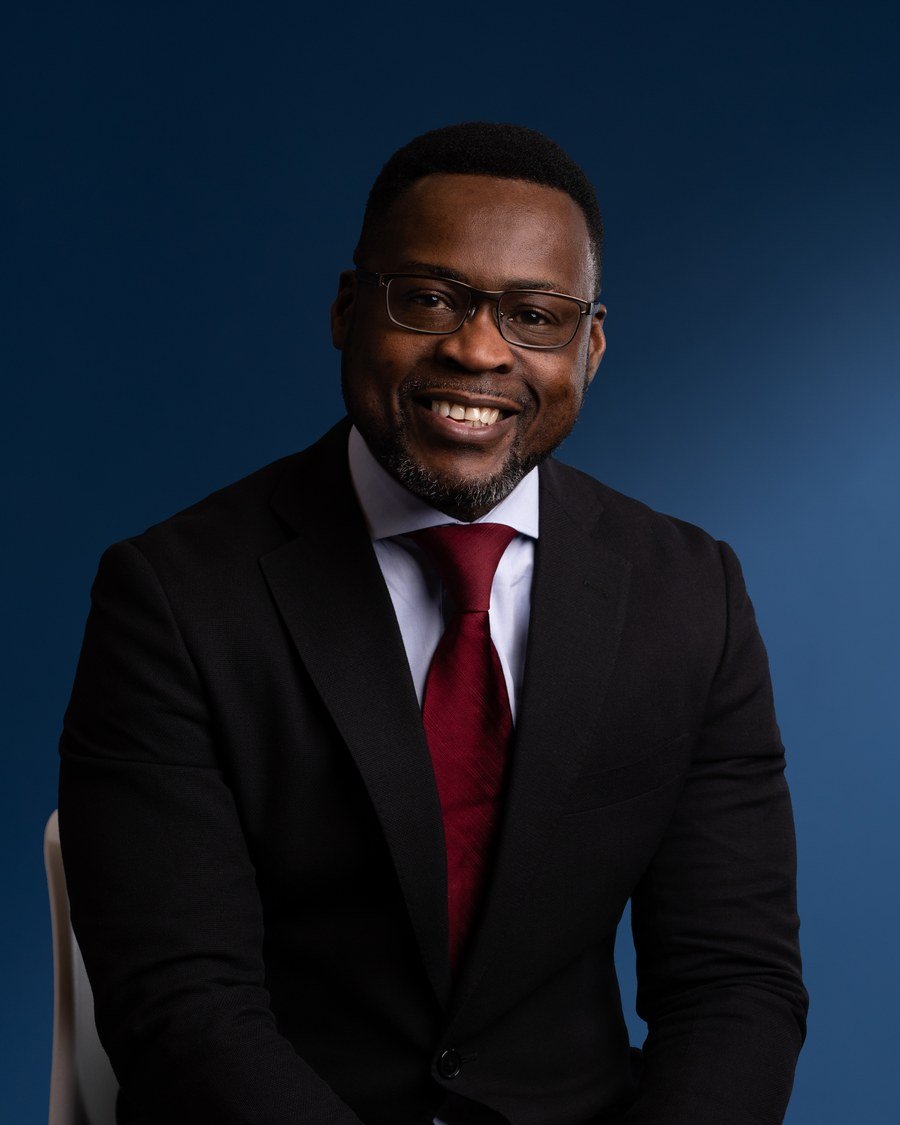
Prof. Patrick Drogui, Ph.D.
Doctor in Process Engineering Applied to Water Treatment — Université de Montpellier II
Internationally recognized specialist in environmental electro-technologies, membrane technologies, and advanced oxidation processes. Over 20 years of R&D leadership, with numerous knowledge transfers to industrial, municipal, and governmental sectors.
ASCE 2023 Award
300+ articles
5 books
55 book chapters
7 patents
H-index 77
21+ keynote presentations
DISTINCTION — 2023
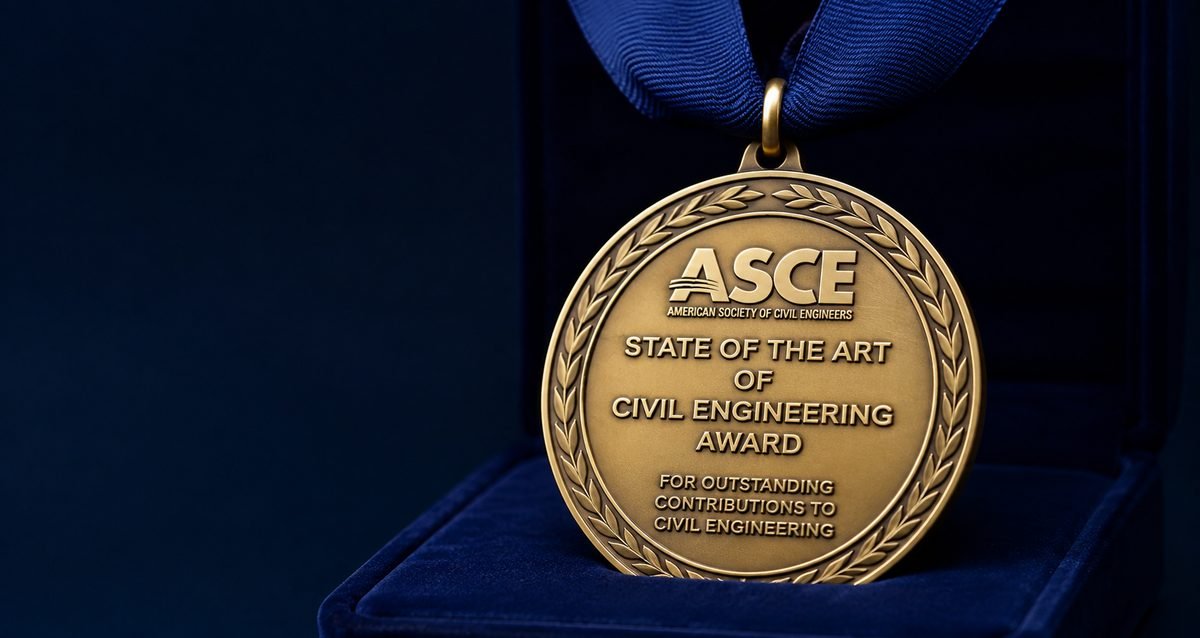
State of the Art of Civil Engineering Award
Analyse & diagnostic
Awarded by the American Society of Civil Engineers for an outstanding contribution to the book Electro-Coagulation and Electro-Oxidation in Water and Wastewater Treatment.
ACHIEVEMENTS
A History of Verifiable Results
Mandates carried out in Canada and internationally for industrial, municipal, and governmental stakeholders.
- 29 consulting mandates
- 40 projects — principal lead
- 14 projects — co-lead

NEWS
Understanding the Issues
Emerging contaminants, regulatory changes, treatment innovations.
PFAS, Forever Chemicals: Understanding the Issue
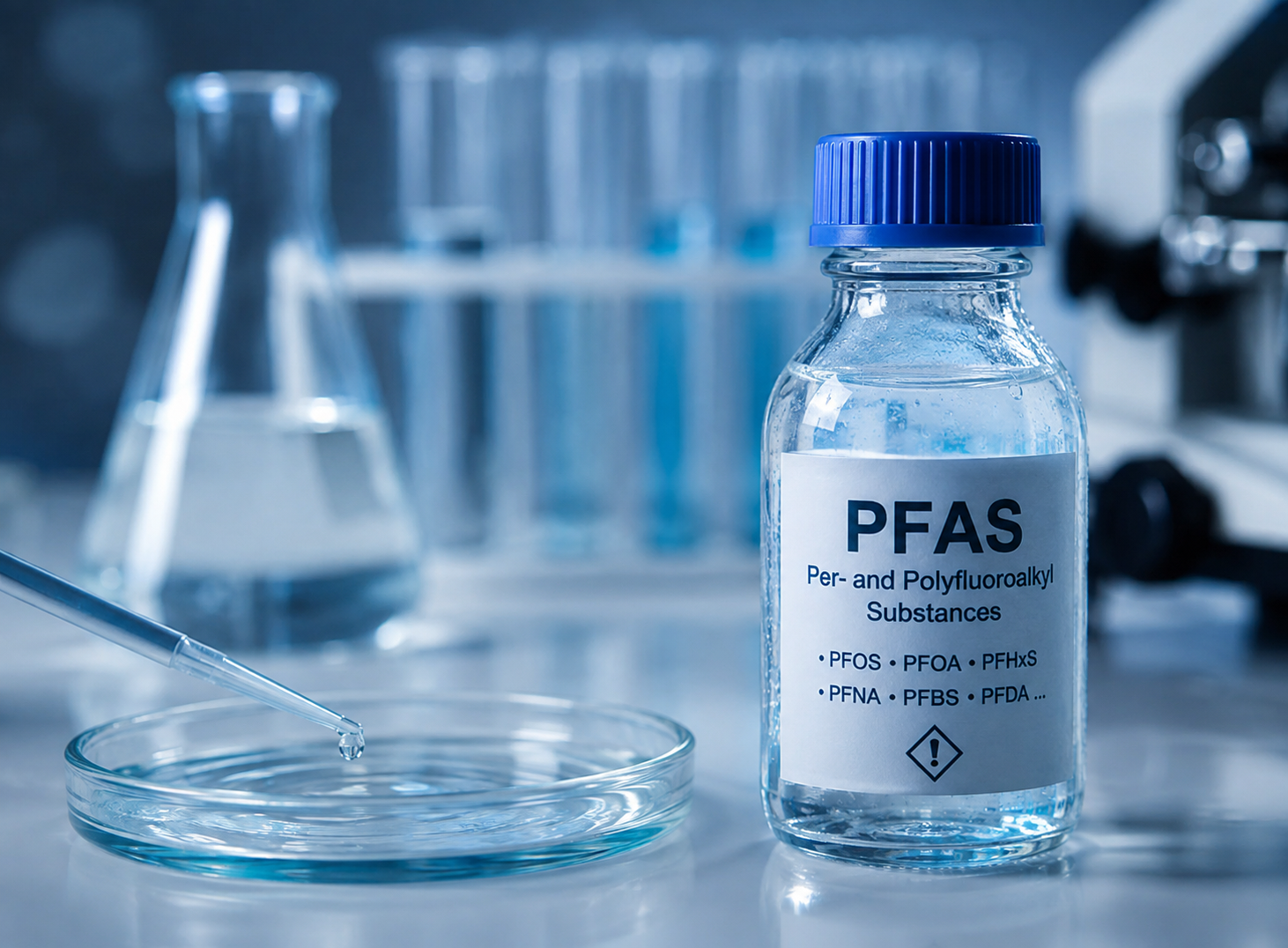
Per- and polyfluoroalkyl substances — PFAS — encompass several thousand synthetic compounds used since the 1950s for their non-stick, waterproofing, and heat-resistant properties. They are found in firefighting foams, coatings, certain textiles, and packaging.
Microplastics: Where Does Research Stand?
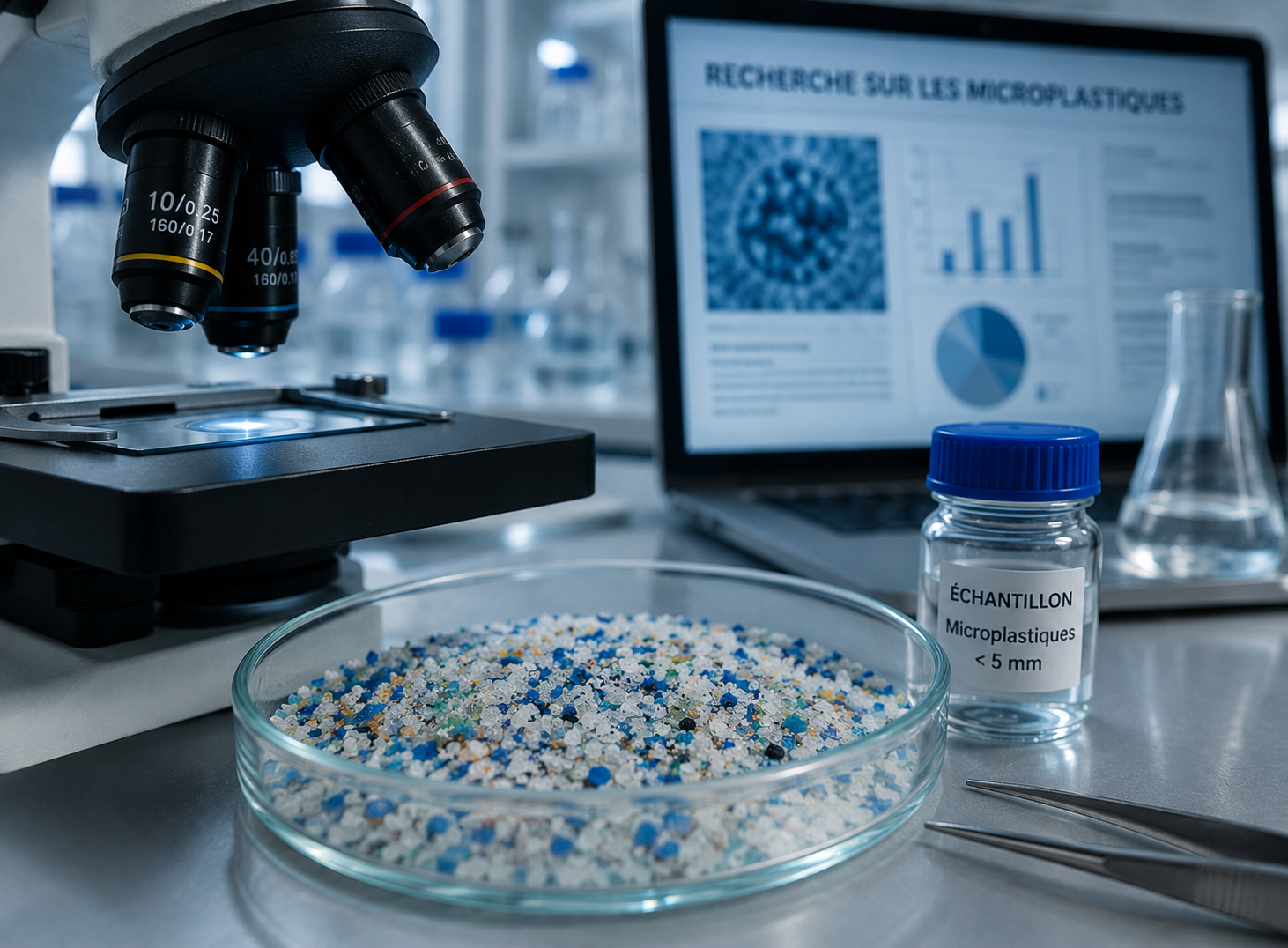
Microplastics refer to plastic fragments smaller than five millimeters. They originate either from particles manufactured as such or — much more frequently — from the gradual breakdown of larger plastics under the action of ultraviolet light, abrasion, and freeze-thaw cycles.
Decentralized Wastewater Treatment in Rural Areas
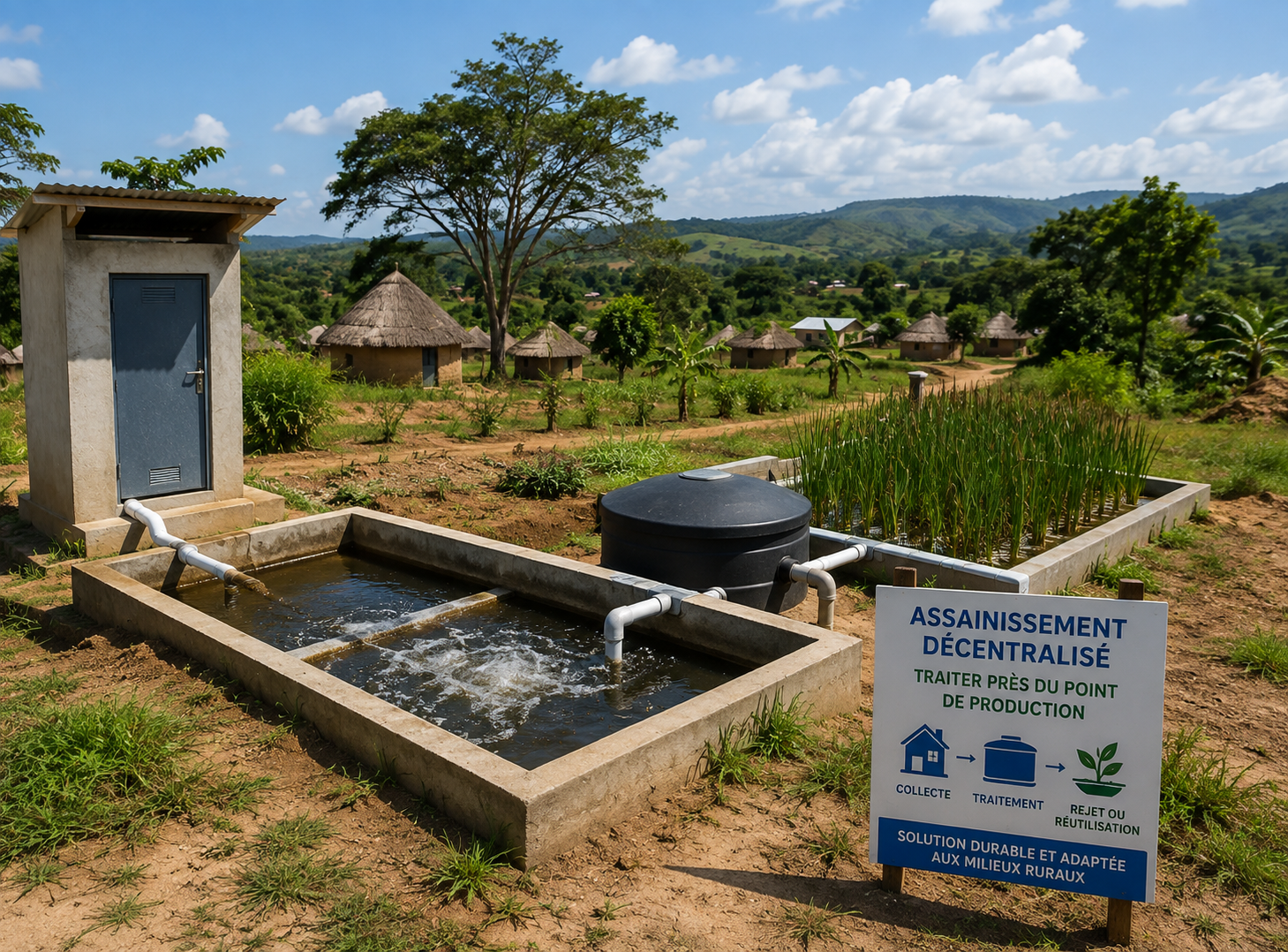
Connecting scattered housing to a centralized sewer network is expensive — the bulk of the cost lies in the piping, not the treatment plant. Below a certain population density, the logic reverses: treating water near the point of generation becomes more economical and more robust.

CONTACT
Let's discuss your challenges related to water and the management of liquid or solid waste
A 45-minute exploratory meeting, free and without obligation, to assess your needs and determine the best way to support you.